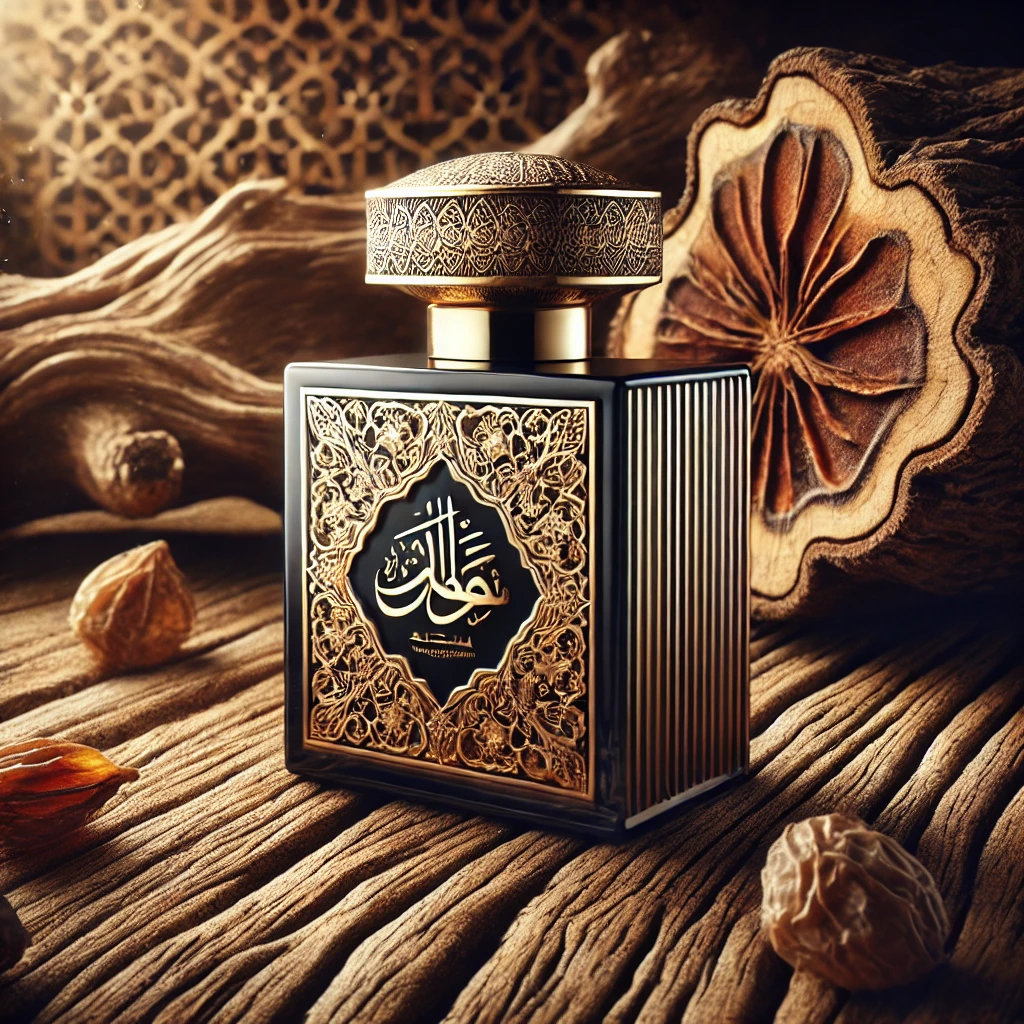

Perfume “Oudh 25” by Perfumer Issa Bu Abbas in Collaboration with Mohammed Al-Turkumani.
We present to you this interview to introduce Oudh 25, the upcoming fragrance from Duomo, featuring insights from chemist and perfumer Issa Bu Abbas.
Can you share some of the perfume’s ingredients?
Mandarin
Pineapple
Dry Rose
Labdanum
Indian Oud
Ylang-Ylang
Are there other ingredients? Could the perfume be re-released?
The perfume contains 57 or 58 additional components.
This is a limited-edition release due to the type of oud used. There might be another release with a different oud and a slightly modified composition.
The number “25” reflects the year of release. If another version is launched, the number will change to indicate the year and minor differences in the formulation or batch.
What distinguishes the oud used in the perfume?
The oud is Indian, but it has a unique quality and scent unlike anything I’ve experienced before.
The oil was acquired from a friend who is an oud enthusiast and expert. He aged it using a special method he hasn’t disclosed, preserving the notes and complexities of the oil.
Initially, I acquired the oud for personal use because I’m passionate about perfumes. It wasn’t intended for a perfume. Later, the idea came to use it in a fragrance. Based on the quantity I had, I decided to produce only one batch. If there’s a future release, it will feature a different type of oud.
This oud has floral nuances, smoky woody notes, and earthy undertones.
What was the concept behind the perfume?
The original idea was to create a tropical oud fragrance featuring tropical fruits, yellow flowers, and oud oil while preserving the distinctive character of the oud used. The concept evolved into a composition filled with various aromatic elements, almost like the entire oud tree — from its leaves to its roots.
Can you describe the perfume?
It encompasses all olfactory families:
Citrusy, aromatic, green, spicy, fruity, medicinal, floral, woody, smoky, earthy, animalic — with oud seamlessly blending into all of them from the start, as if it shares a part with every family.
The opening is a sweet citrus blend of mandarin and pineapple with tropical and medicinal floral facets. The oud is present from the beginning with smoky woody notes. As the citrus fades, the florals become drier, revealing balsamic sweetness, incense, and spiciness. In the base, the oud grows richer, accompanied by floral amber notes and subtle animalic hints.
Did you seek advice or expertise?
The person I sourced the oud oil from explained its characteristics, and I spent a year experimenting with the oil to understand its nuances fully.
As for advice, I benefit from the knowledge of perfume enthusiasts and industry professionals, exchanging insights through discussions.
Did you draw inspiration from other perfumes?
No, I prefer not to imitate or modify existing fragrances. Some perfumes influence me or serve as benchmarks, but I don’t replicate them.
The market is filled with oud perfumes. What sets this one apart?
It’s completely unique. I own over 30 oud perfumes, all different and innovative. This perfume stands apart from all of them. Its high cost reflects its exclusivity, showing that it was created by someone passionate about perfumery, not profit-driven.
Can you reveal some of the unlisted ingredients? Is that risky?
The perfume includes Gurjun balsam, Guaiac wood, six types of rose (including Bulgarian rose), amyris and labdanum.
Every innovative perfume carries risks, which is why major brands avoid them and stick to familiar compositions. As a niche house, our primary goal is to take those risks.
Does the large number of ingredients make the perfume special, or could fewer components achieve the same result?
For me, there are no strict rules in perfumery. It’s an artistic field, whether with a single ingredient or many.
Some materials, on their own, feel like complete perfumes. Using many components adds complexity and distinction but isn’t essential. For example, using oud, saffron, and vetiver might result in a common design.
Creating a unique accord — like a tropical fruit accord with 11 ingredients — allows you to treat it as a single component called “Tropical.” Blending that with oud oil results in a composition of 12 materials.
I created three accords: one with 11 ingredients, another with 14 and a third with 6. Combining these results in a perfume made from 31 components.